Navigating Cancer Care: Empowering Patients through Support, Education, and Treatment Options
In the face of a cancer diagnosis, feelings of fear, uncertainty, and isolation can seep into the lives of patients and their families. Imagine waking up one day, only to be confronted with the word 'malignancy' hovering ominously over your life. It’s a reality that a staggering number of individuals face each year. According to recent cancer statistics, nearly 1 in 2 men and 1 in 3 women will face cancer in their lifetime. But what if I told you that amidst those statistics, there's hope? What if the road to survivorship is paved with the twin pillars of education and community support?
The journey through oncology can often feel like navigating a maze filled with countless twists and turns—diagnosis, treatment options, and the emotional upheaval that follows. This is where health education becomes paramount. Knowing the specifics about your diagnosis—whether it’s carcinoma, tumor types, or the latest immunotherapy options—empowers patients to make informed decisions about their care. Remember the words of the late great author Maya Angelou: 'I’ve learned that people will forget what you said, people will forget what you did, but people will never forget how you made them feel.' This is particularly true in the realm of cancer care, where knowledge and emotional support transform the patient experience.
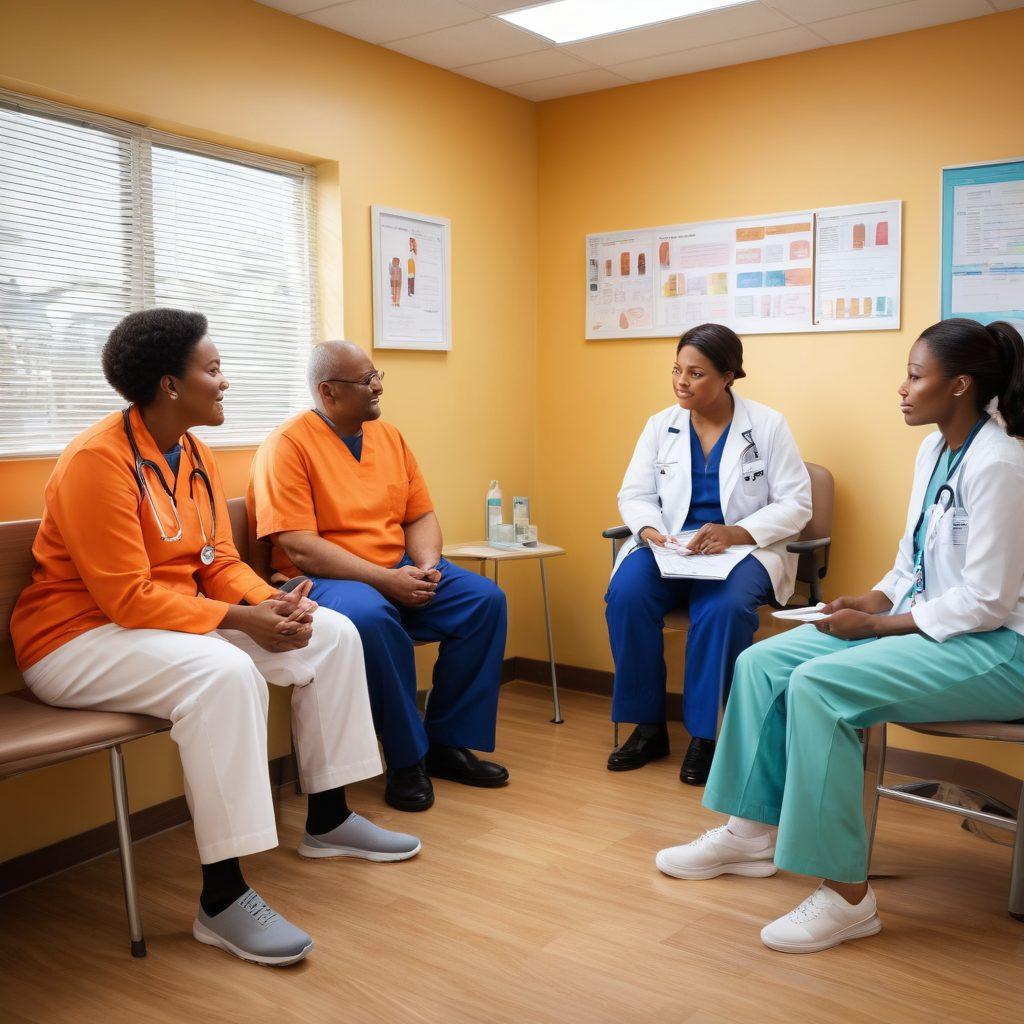
But education alone cannot shoulder the weight of a cancer journey. Enter community support, an essential element that enriches patient welfare. From support groups that foster connection to advocacy networks that champion patient rights, the role of community cannot be overstated. It's in these spaces that individuals can share their stories, learn about diversity in treatment options such as chemotherapy, radiation therapy, and even alternative medicine. Imagine discussing your experience with someone who has walked a similar path—there's immeasurable strength in shared experiences.
Now, let’s delve deeper into the importance of mental wellness during treatment. Have you ever attended a survivorship program or a support group? The benefits are profound, not just for emotional resilience but also for practical advice regarding medication and remedies post-treatment. Engaging with others who understand the nuances of cancer care helps to reduce feelings of alienation and fear. By tapping into a network of people aiming for health awareness, patients often create a potpourri of solutions, some found in research studies that spotlight clinical trials or innovative therapies.
As we journey forward into the evolving landscape of healthcare, it’s essential to understand that empowerment comes from both education and community support. Patients who are well-informed are more likely to actively participate in their care and advocate for themselves. So, how can you take charge of your own journey? Start by seeking out resources that provide health education and emotional care. Attend local cancer workshops, engage in online forums, and don’t shy away from asking healthcare professionals about available treatment options. Together, we can build a society where the journey through cancer is marked not by isolation, but by empowerment and support.
Innovative Treatment Options: Navigating the Complex World of Oncology
In the intricate tapestry of healthcare, navigating the world of oncology can be an overwhelming journey. The term 'oncology' itself evokes a mixture of fear and hope for many. It refers to the study and treatment of malignant tumors, or neoplasms, such as carcinomas. With cancer statistics painting a sobering picture of its prevalence, millions are not just battling malignancies; they are navigating a labyrinth of treatment options, clinical trials, and emerging therapies. How can one thrive amidst this complexity?
One of the most significant advancements in cancer care today is the shift towards innovative treatment options. Traditional approaches like chemotherapy and radiation therapy have paved the way for cutting-edge interventions such as immunotherapy. These advancements not only target the tumor more effectively but also enhance the patient’s overall wellness. Imagine a treatment designed to empower your immune system to actively fight off cancer cells. How incredible is that? Yet, despite these innovations, a strong foundation of health education remains crucial. Patients need to be aware of their diagnosis, available therapies, and the importance of screenings and prevention.
For a patient receiving a cancer diagnosis, the plethora of treatment options may seem like standing at a crossroads with too many signs pointing in different directions. Should one opt for the traditional routes, or explore alternative medicine as a complement to conventional therapies? The key lies in education and informed decision-making. Engaging with healthcare professionals, seeking advice from survivor’s programs, and reaching out to community support groups can provide invaluable guidance. Ask yourself: What do I truly want for my health? These reflections are pivotal in making treatment decisions that align with one’s values and preferences.
Compounding the complexity is the importance of patient support throughout the treatment journey. Advocacy and community support can serve as lifelines. Support groups not only provide a platform for sharing experiences but they also foster connections that can ease one's burden. When you listen to stories from fellow fighters, you realize you are not alone. Each shared experience, every triumph, and each setback we encounter shapes our understanding of survivorship programs. Have you considered how your own story might inspire someone else?
As we delve deeper into the world of oncology, it becomes increasingly evident that understanding treatment options isn't merely about choosing a medication or remedy; it's about understanding the collective journey of health awareness, prevention, and living well after a diagnosis. Keep a curious mind; there will always be new research studies and clinical trials unveiling promising therapies that could make a difference for those dealing with cancer. Let us advocate for ourselves and others, fostering a culture of wellness, support, and education. What’s your next step in navigating your own or a loved one’s cancer care journey?
From Diagnosis to Survivorship: A Comprehensive Guide to Cancer Care
Navigating the journey from cancer diagnosis to survivorship can feel like traversing uncharted waters. For many, a cancer diagnosis is not just the mention of a word—it's an avalanche of fears, questions, and uncertainties. Imagine hearing the word 'carcinoma' and feeling as though your entire world just shifted. Yet, amidst the challenges of malignancy, knowledge and support illuminate the path forward. This guide aims to empower patients with the resources they need to make informed decisions, ensuring no one faces the cancer care journey alone.
At the heart of cancer care is the rich tapestry of treatment options available to combat neoplasms. From traditional methodologies like chemotherapy and radiation therapy to innovative approaches such as immunotherapy and alternative medicine, each avenue presents its own unique potential for recovery. Have you ever wondered how clinical trials might play a crucial role in discovering new remedies? These trials not only offer hope but also contribute invaluable data to the ongoing research studies that drive the advancement of oncology. The world of cancer treatment is evolving, and it’s essential to keep health awareness at the forefront of our journeys.
Screening and early diagnosis are pivotal steps in managing cancer effectively. Statistics reveal that early detection significantly improves long-term survival rates, and understanding the symptoms associated with various types of tumors can be life-saving. In your own experience or through stories of friends and family, can you recall instances where someone was fortunate enough to catch cancer early? Engaging in regular health education not only equips individuals with knowledge but fosters a proactive mindset around wellness, acting as a shield against the unexpected.
Yet, the road does not end once treatment has concluded. Survivorship programs play a critical role in ensuring that individuals transitioning from active treatment to post-care receive the education and emotional support necessary for thriving. These programs often provide access to patient support groups where shared experiences can resonate deeply. As you navigate your post-treatment life, how can community support enhance your healing journey? Building connections through advocacy, whether online or in-person, can create a network of strength that uplifts and empowers those facing similar struggles.
Ultimately, the cancer care journey is not just about surviving; it's about thriving. As we advocate for better support systems and informed decisions, it's essential to remember that every individual’s experience is unique. From understanding treatment options to participating in survivorship programs, let us embrace a culture where patients are empowered, educated, and connected. What steps will you take today to further your understanding and support others in the cancer care community? Together, we can navigate this journey, transforming fear into hope and creating a chain of support that spans beyond diagnosis to a future of wellness.